The Dynamic Duo of Construction: frp tanks and Molded Grating
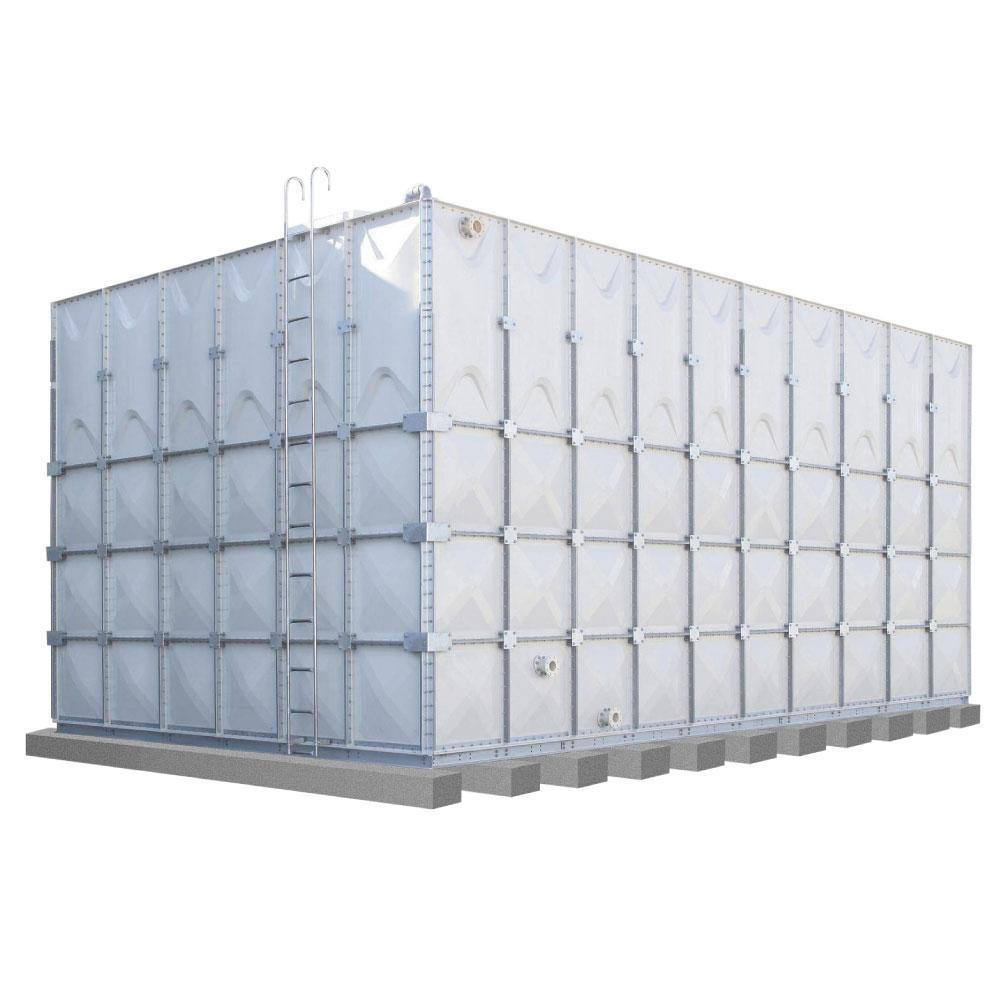
In the realm of construction and industrial applications, innovation is the cornerstone of progress. As industries evolve, so do the materials and technologies they rely on. Two such innovations that have taken the construction world by storm are frp tanks and Molded Grating. These materials have proven to be the dynamic duo in various sectors, including infrastructure development and industrial processes. In this article, we will explore the remarkable characteristics and applications of frp tanks and Molded Grating while shedding light on their indispensable role in the construction of grp tanks.
Understanding grp Tanks
grp Tanks, short for Fiber-Reinforced Concrete, represents a revolutionary leap forward in construction materials. It combines the strength of traditional concrete with the flexibility and durability of composite materials. The key to its impressive performance lies in the addition of fibers, often made of materials like steel, glass, or synthetic polymers, which reinforce the concrete matrix.
Strength and Durability: grp Tanks boasts exceptional tensile and flexural strength, making it ideal for a wide range of applications. It can withstand substantial loads and is highly resistant to cracking and deformation. This attribute makes it a preferred choice in projects where structural integrity is paramount.
Flexibility: Unlike conventional concrete, grp Tanks offers flexibility in design and construction. It can be molded into intricate shapes and sizes without compromising its strength, allowing architects and engineers to explore creative possibilities. This characteristic is particularly valuable in the construction of GRP tanks, where custom configurations are often required.
Resistance to Corrosion: grp Tanks is inherently resistant to corrosion, making it a suitable choice for projects exposed to harsh environments or chemicals. This resistance is crucial when considering its role in the construction of GRP tanks, which store various corrosive substances.
Applications of Grp Tanks 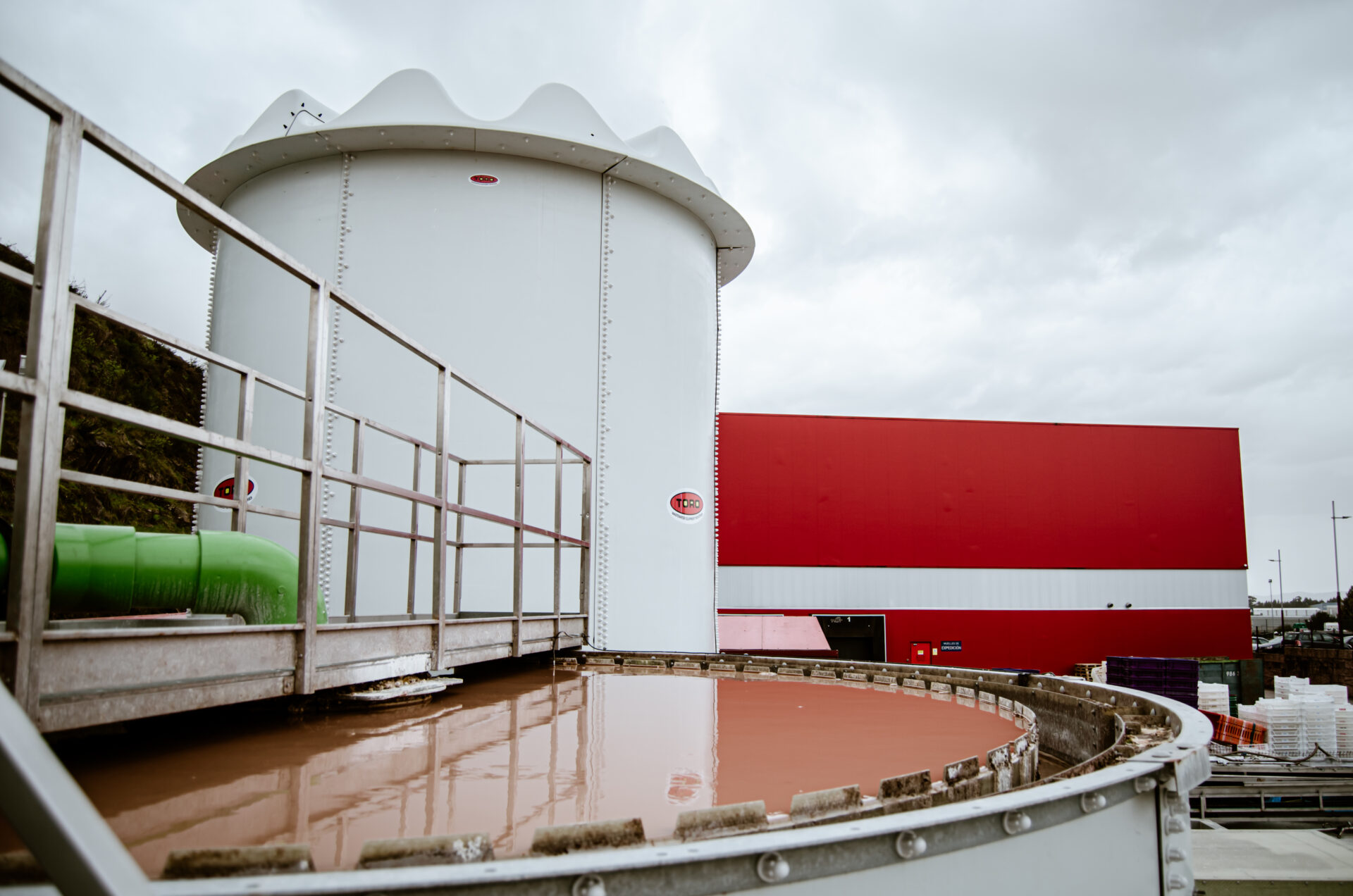
Infrastructure Development: grp Tanks is increasingly used in infrastructure projects such as bridges, tunnels, and roads due to its exceptional durability and resistance to environmental factors.
Architectural Elements: Architects utilize FCI Composite to create innovative and aesthetically pleasing building facades, sculptures, and interior designs.
Industrial Flooring: The material's resistance to wear and tear makes it a preferred option for industrial flooring solutions, ensuring longevity even in high-traffic areas.
Understanding FRP Molded Grating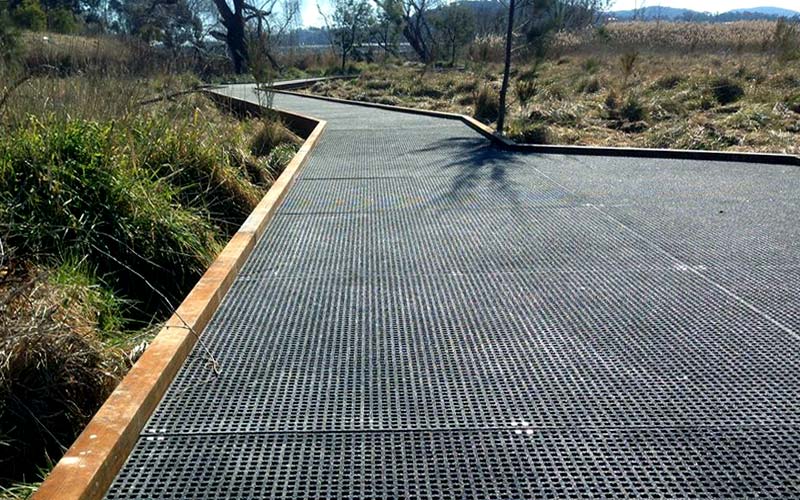
FRP Molded Grating, or Fiberglass Reinforced Plastic Molded Grating, is another groundbreaking construction material with a wide array of applications. It is composed of reinforced fiberglass resins and is known for its outstanding strength-to-weight ratio, corrosion resistance, and versatility.
Strength and Weight: FRP Molded Grating is incredibly strong, yet lightweight, making it easy to handle during installation. Its high strength-to-weight ratio allows for the creation of durable structures without the burden of heavy materials.
Corrosion Resistance: One of the standout features of FRP Molded Grating is its exceptional resistance to corrosion. This makes it ideal for applications where exposure to moisture, chemicals, or saltwater is common, such as in marine environments or chemical processing facilities.
Safety and Traction: The molded grating's surface is designed for optimal traction, reducing the risk of slips and falls. This feature is essential in industrial settings where safety is a top priority.
Applications of FRP Molded Grating
1. Walkways and Platforms: FRP Molded Grating is often used to create walkways, platforms, and stairs in industrial facilities, offering a safe and sturdy surface for workers.
2. Drainage Systems: Its corrosion resistance makes it an excellent choice for drainage systems in areas prone to moisture and chemical exposure.
3. Access Covers: FRP Molded Grating can be used as access covers for underground utilities, providing easy access for maintenance while maintaining structural integrity.
The Dynamic Duo in Construction: GRP Tanks and FRP Molded Grating
The combination of grp Tanks and FRP Molded Grating has proven to be a game-changer in construction, particularly in the creation of GRP tanks. These tanks, often used for storing hazardous chemicals and liquids, demand materials that are not only strong but also resistant to corrosion. The dynamic duo fits the bill perfectly.
Moulded grating and Their Significance
GRP tanks, or Glass Reinforced Plastic tanks, have gained popularity across industries for their remarkable properties. They are known for their lightweight nature, exceptional strength, and resistance to corrosion and chemicals. These attributes make them the go-to choice for storing a wide range of substances, from water and wastewater to corrosive chemicals and fuels.
The Role of FCI Composite in GRP Tanks
FCI Composite plays a pivotal role in the construction of GRP tanks. Its ability to provide structural strength and flexibility is crucial when designing and molding tanks of various shapes and sizes. Here's how FCI Composite contributes:
1. Customization: FCI Composite allows engineers to customize the tank's design to meet specific requirements. Whether it's a cylindrical tank for water storage or a complex-shaped tank for chemical containment, FCI Composite can be molded accordingly.
2. Structural Integrity: GRP tanks need to withstand external forces and internal pressure. FCI Composite reinforces the tank's walls, ensuring it maintains its structural integrity even under substantial loads.
3. Corrosion Resistance: Since GRP tanks often store corrosive substances, the corrosion resistance of FCI Composite is a critical factor in ensuring the longevity of the tank and the safety of the stored materials.
The Role of FRP Molded Grating in GRP Tanks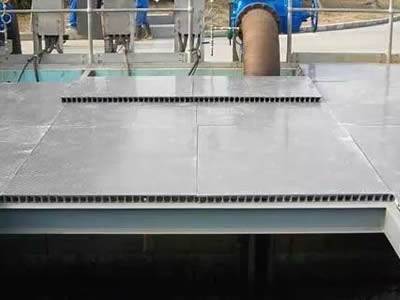
FRP Molded Grating complements FCI Composite in the construction of GRP tanks by serving various purposes:
Platform and Walkway: GRP tanks may require platforms and walkways for inspection and maintenance. FRP Molded Grating is the ideal choice due to its slip-resistant surface and corrosion resistance.
Access Points: Access points, such as covers and hatches, need to be durable and corrosion-resistant. FRP Molded Grating can be used as covers for easy access to the tank's interior.
Ventilation: Adequate ventilation is crucial for GRP tanks, especially those containing chemicals. FRP Molded Grating can be used to create vents and ducts to ensure proper airflow.
Conclusion
In the world of construction and industrial applications, FCI Composite and FRP Molded Grating have emerged as the dynamic duo, revolutionizing the way we build and maintain structures. Their remarkable properties, such as strength, durability, corrosion resistance, and customization capabilities, make them invaluable in a wide range of projects.
When it comes to the construction of GRP tanks, these materials shine even brighter. FCI Composite provides the structural strength and flexibility required for tank design, while FRP Molded Grating offers safety and accessibility features, ensuring that GRP tanks are not only strong but also practical and efficient.
As construction technologies continue to advance, it's clear that the dynamic duo of FCI Composite and FRP Molded Grating will play an increasingly vital role in shaping the infrastructure of the future. Their ability to withstand the test of time, environmental challenges, and diverse applications makes them indispensable in the ever-evolving world of construction and industry.


Comments
Post a Comment