FCI Composite Meets FRP Molded Grating: A Love Story in Engineering
In the world of engineering, there are countless stories of innovative materials coming together to create remarkable solutions. One such love story in engineering is the fusion of FCI composites with FRP (Fiber Reinforced Plastic) molded grating. This partnership has paved the way for groundbreaking developments in various industries, including the use of GRP (Glass Reinforced Plastic) tanks. In this article, we will delve into the remarkable synergy between FCI composites and FRP molded grating and explore how it has revolutionized engineering applications.
Understanding FCI Composites

FCI, or Fiber Composite Incorporated, is a leading player in the composite materials industry. Their products are engineered to provide high strength, durability, and resistance to corrosion. FCI composites consist of a blend of synthetic fibers, resins, and additives, carefully engineered to meet the specific demands of various applications.
FRP Molded Grating: A Versatile Solution
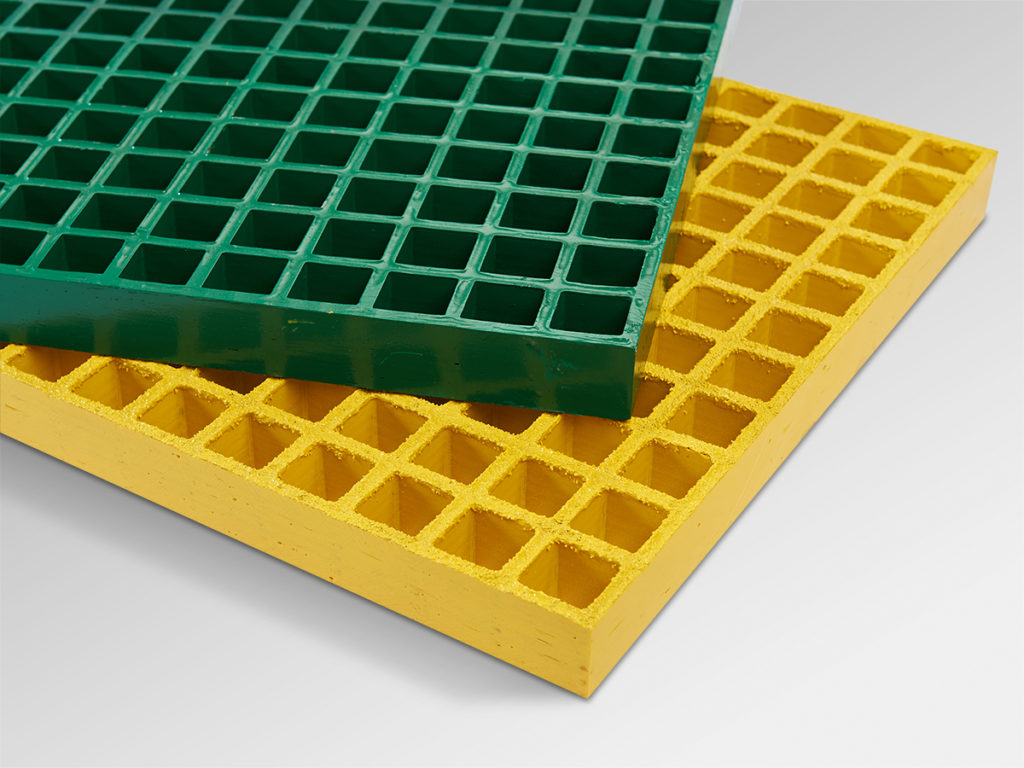
On the other hand, FRP molded grating is a versatile material renowned for its excellent mechanical properties. It is made by embedding continuous glass fibers in a thermosetting resin matrix, which is cured to form a rigid and durable structure. FRP molded grating is widely recognized for its resistance to chemicals, corrosion, and extreme temperatures.
The Love Story Unfolds

The journey of FCI composites meeting FRP molded grating began with the need for a material that could withstand the most demanding industrial environments. Engineers sought a solution that could provide the durability of traditional materials like steel while offering the benefits of lightweight and corrosion resistance.
When FCI composites and FRP molded grating crossed paths, sparks flew. The high-strength properties of FCI composites complemented the structural integrity of FRP molded grating, creating a match made in engineering heaven.
The Benefits of the Union
Corrosion Resistance: One of the primary advantages of this union is the exceptional resistance to corrosion. GRP tanks, which are commonly used for storing hazardous chemicals, have greatly benefited from this pairing. Unlike traditional metal tanks, GRP tanks constructed using FCI composite and FRP molded grating do not corrode, ensuring the safety of both personnel and the environment.
Lightweight: Another key benefit is the lightweight nature of the composite material. This makes transportation and installation significantly easier and cost-effective. For large structures like bridges and walkways, the reduced weight translates into lower construction and maintenance costs.
Durability: FCI composites enhance the already impressive durability of FRP molded grating, resulting in products that outlast their traditional counterparts. This longevity is especially crucial in applications exposed to harsh environmental conditions.
Customizability: Engineers can tailor FCI composites and FRP molded grating to meet specific project requirements. This flexibility ensures that the material can be adapted for use in various industries, from wastewater treatment plants to offshore oil rigs.
Safety: The slip-resistant surface of FRP molded grating, combined with the strength of FCI composites, provides a safe platform for workers in industrial settings. This reduces the risk of accidents and injuries.
Applications in Various Industries
The love story between FCI composites and FRP molded grating has had a profound impact on numerous industries, including:
Chemical and Petrochemical: GRP tanks made from this composite duo are now the standard for storing corrosive chemicals. Their resistance to corrosion and durability make them the perfect choice for these critical applications.
Marine: The maritime industry benefits from the lightweight and corrosion-resistant properties of this combination. It is used in boat components, offshore platforms, and walkways in shipyards.
Infrastructure: Bridges, walkways, and access platforms in industrial facilities have seen increased use of FRP molded grating. Its lightweight nature reduces the load on supporting structures, extending their lifespan.
Water Treatment: GRP tanks are employed in water treatment plants for their resistance to chemical exposure. FCI composites enhance their longevity, ensuring the long-term reliability of these systems.
Construction: In construction, the love story between FCI composites and FRP molded grating is evident in the form of durable and lightweight scaffolding systems, reducing labor costs and increasing safety.
Conclusion
The union of FCI composites and FRP molded grating is indeed a love story in engineering. It has revolutionized industries by providing cost-effective, corrosion-resistant, lightweight, and durable solutions. This combination has not only enhanced the performance of GRP tanks but has also found applications in various other sectors, contributing to safer and more efficient processes. As technology continues to advance, we can expect this love story to evolve further, opening new possibilities in the world of engineering.


Comments
Post a Comment